
Compare Prices on Outdoor Equipment
Travel and Outdoor Equipment Price Comparison > Rucksacks and Bags
This week's most popular products:








Rucksacks and Bags Buyers Guide
Capacity
It's no good having a rucksack that is too small to hold all of your equipment. You’ll end up carrying carrier bags and tying things to your rucksack, which isn’t very safe.
On the other hand, one that is too big might tempt you into buying lots of heavy souvenirs or taking too much equipment. You should be careful that your rucksack is not so big that if you filled it, you wouldn’t be able to carry it.
As a guideline, a 60-70 litre rucksack is good for most travelling and hostelling but for camping with lots of equipment, you'll probably need an 80+ litre rucksack.
Denier Rating
You should consider the strength of the rucksack, denoted by the denier rating. A 600 denier material rucksack is quite basic and suitable for short trips but you should go for 900 to 1200 denier if you are doing more intensive expeditions and want to be able to throw your rucksack around without worrying about it.
Security
There are a range of security devices to protect your rucksack from theft from being slashed. Some of them are quite expensive but they can save you a fortune in lost baggage and lost time and can prevent a ruined holiday.
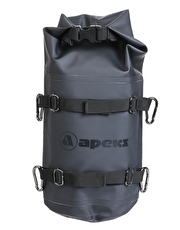
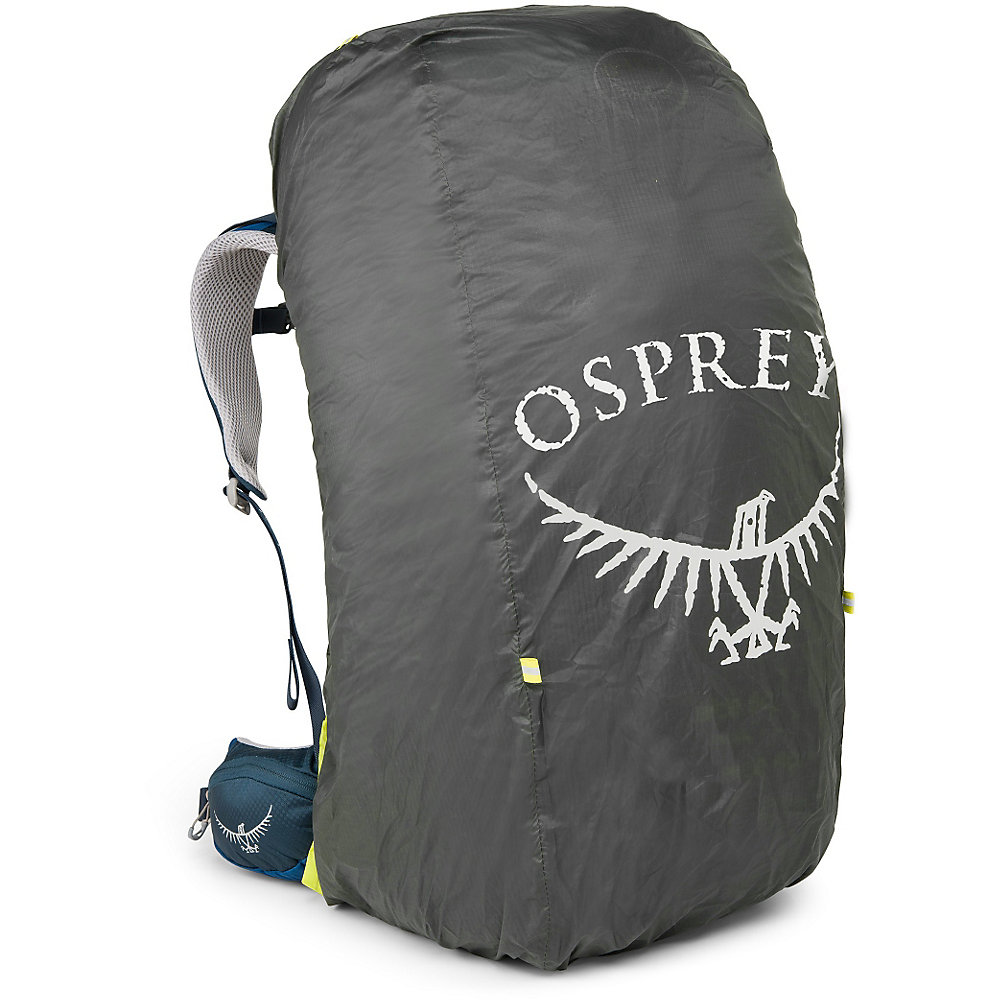
You should also consider the water resistance of your rucksack. Good rain resistance is always useful but if you will be camping or on expeditions, look into this in more detail and consider the hydrostatic head (HH or mmHG). The higher the number, the more water resistant the fabric. Realise though, that water will still be able to enter via zips and openings so if you need to be able to dunk your rucksack in water, consider a drybag or waterproof rucksack liner or cover.
Copyright Interhike. All rights reserved.